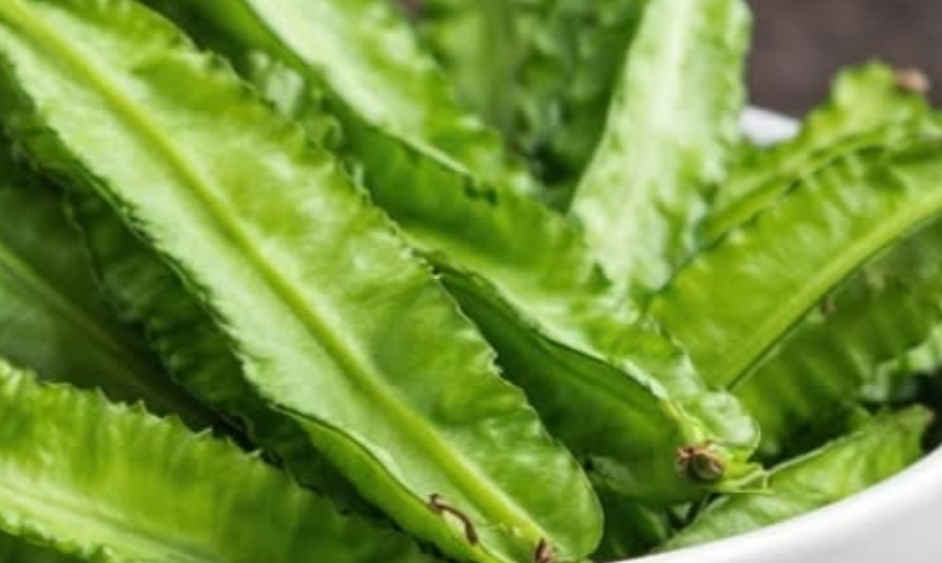
What Makes Winged Bean a Nutritional PowerhouseDiscovering winged bean can feel like uncovering a hidden gem when you’re tired of the same old veggies that don’t deliver much impact. This tropical legume, also known as four-angled bean or Goa bean, stands out because nearly every part—pods, leaves, flowers, tubers, and seeds—is edible and nutrient-dense.Winged bean leaves, for instance, are loaded with vitamin A and C, while the seeds offer impressive protein levels comparable to soybeans. Studies on its composition highlight high amounts of essential minerals like iron, calcium, and potassium. But that’s just the start—keep reading to see how these elements in winged bean could make a real difference in your daily wellness.🥗 The Impressive Nutrient Profile of Winged BeanWorried that your diet lacks the variety needed to stay vibrant and healthy? Winged bean steps in with a broad spectrum of vitamins and minerals that many common vegetables simply can’t match.Here’s a breakdown of key nutrients found in different parts of winged bean:Young pods: Low in calories, good source of fiber and vitamin CLeaves: Exceptionally high in vitamin A (up to 270% daily価値 per 100g) and vitamin C (75% daily価値)Seeds: 29–37% protein, plus iron, phosphorus, and B vitaminsTubers: Starch-rich with notable protein and B-complex vitaminsPart of Winged Bean Key Nutrients Highlight Potential Daily Value ContributionLeaves Vitamin A, Vitamin C, Fiber High (e.g., 270% Vitamin A)Young Pods Vitamin C, Fiber, Folate ModerateMature Seeds Protein, Iron, Phosphorus Very High (29–37% protein)Tubers Protein, B Vitamins, Starch Notable protein boostNutritional analyses show winged bean provides antioxidants like polyphenols, adding to its appeal for overall health support.👁️ How Winged Bean May Support Eye HealthFading eyesight can rob you of simple joys like reading or driving confidently, creating real unease about the future. Winged bean offers a natural source of vitamin A through beta-carotene, particularly in its leaves and pods.Research indicates that adequate vitamin A intake is crucial for maintaining healthy vision and protecting against age-related decline. The high levels in winged bean leaves—over 8,000 IU per 100g—may help support eye function when included regularly in meals. Many find that adding nutrient-rich foods like winged bean brings a sense of proactive care for their sight.🛡️ Boosting Immunity with Nutrient-Rich Winged BeanGetting sick more often than you’d like leaves you feeling vulnerable and exhausted, disrupting work and family time. Winged bean shines here with its vitamin C content, especially in fresh leaves and pods, which acts as an antioxidant to support immune responses.Vitamin C helps the body produce white blood cells and protect against oxidative stress. Combined with vitamin A in winged bean, it creates a dual approach that studies suggest contributes to stronger defenses. The interesting part? Even the flowers and young shoots of winged bean add to this immune-friendly profile.❤️ Winged Bean and Potential Heart Health BenefitsHeart concerns weigh heavily, especially when family history or lifestyle factors come into play, making every meal choice feel critical. Winged bean provides fiber, potassium, and healthy fats that may support cardiovascular wellness.Potassium helps regulate blood pressure, while fiber from the pods and leaves can aid in maintaining healthy cholesterol levels. Some research on legumes like winged bean points to their role in promoting heart-friendly diets. Incorporating winged bean regularly could be a simple step toward feeling more reassured about your heart.🍴 Easy Ways to Add Winged Bean to Your Daily MealsFinding new foods exciting but unsure how to prepare them? Winged bean is versatile and easy to incorporate once you know a few tricks.Simple ideas to enjoy winged bean:Slice young pods into stir-fries or salads for crunchSteam or boil leaves as nutritious greensRoast mature seeds as a protein-packed snackGrate tubers into soups or stewsAdd flowers to omelets or rice dishes for mild flavorStart with fresh winged bean pods in a quick salad: chop them finely, mix with lime juice, herbs, and a protein source. This keeps preparation straightforward while maximizing benefits.Final ThoughtsWhen eye strain, low energy from frequent illnesses, or heart health worries dim your outlook, turning to nutrient-dense options like winged bean can feel empowering. This underrated vegetable offers a wealth of vitamins, minerals, protein, and antioxidants that may support better vision, stronger immunity, and cardiovascular wellness—all from one plant.Experimenting with winged bean in your meals is a gentle, sustainable way to nourish your body. Small additions over time can lead to noticeable vitality.Frequently Asked QuestionsWhere can I find winged bean, and is it easy to grow?Winged bean thrives in tropical climates and is common in Asian markets. It can be grown at home with a trellis in warm seasons.How much winged bean should I eat for potential benefits?Incorporate a serving (like 1 cup of pods or leaves) several times a week as part of a balanced diet for nutrient variety.Are there any precautions when eating winged bean?Mature seeds and tubers should be cooked thoroughly. Start slowly if new to it, and consult a professional if you have allergies.DisclaimerThis article is for informational purposes only and is not intended to diagnose, treat, or cure any condition. Results vary between individuals. Consult a healthcare professional or nutritionist before making dietary changes, especially if you have health concerns or conditions.
The Winged Bean Secret: A Simple Vegetable With Big Benefits for Eyes, Immunity, and Heart Health