
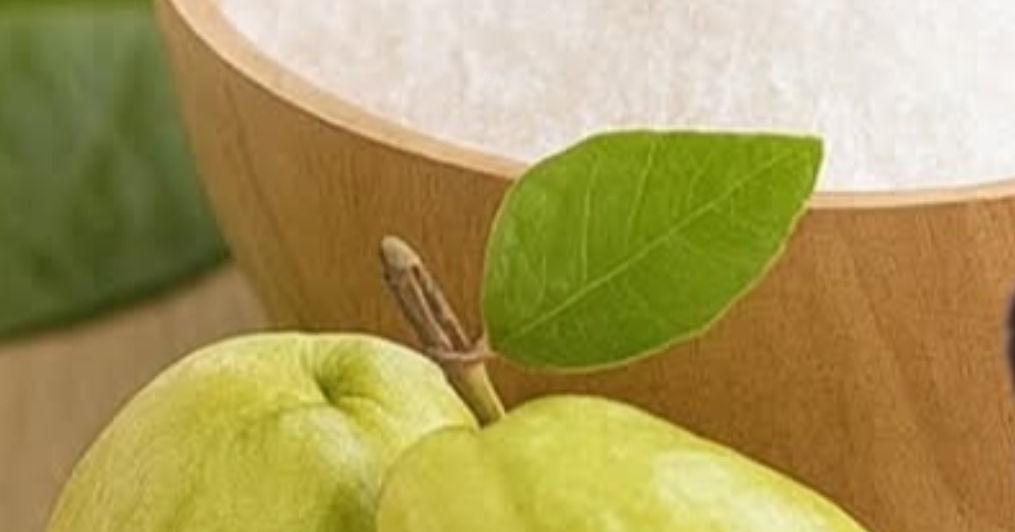
The Guava Leaf Phenomenon: Why This Humble Leaf Holds Exceptional PowerThe Psidium guajava tree, common across tropical and subtropical regions, is best known for its fruit. However, for generations, traditional healers and households have prized the leaves above all for their medicinal properties, particularly for oral health.The reason for this immense power lies in the leaf’s rich phytochemical profile—a natural pharmacy contained within its glossy green surface.A Deep Dive into the Science: What Makes Guava Leaves So Effective?The efficacy of guava leaves for dental health is not folklore; it is rooted in its unique chemical composition. Key components responsible for its transformative effects include:Tannins (Ellagitannins and Catechins): These compounds are responsible for the leaf’s astringent properties. When tannins encounter tissues in the mouth, they cause a mild constricting or tightening effect on the gum tissue. This helps to reduce swelling, firm up the gums, and create a less permeable environment, effectively forming a protective barrier against external irritants. More importantly, tannins are known to interact with and inhibit the growth of various microorganisms, including some of the bacteria primarily responsible for plaque formation and bad breath.Flavonoids (Quercetin, Catechin, and Rutin): These are powerful antioxidants that scavenge free radicals, helping to protect oral tissues from damage caused by inflammation and oxidative stress. Quercetin, in particular, has been extensively studied for its anti-inflammatory and analgesic (pain-relieving) properties. In the context of oral health, flavonoids work to soothe irritated gums and reduce the redness and swelling associated with gingivitis, promoting a more rapid return to a healthy, pink state.Essential Oils (Caryophyllene, Limonene): These volatile compounds contribute to the leaf’s distinct aroma and possess inherent antimicrobial and antiseptic qualities. They are crucial for addressing the root cause of bad breath (halitosis) by neutralizing the volatile sulfur compounds produced by oral bacteria. They provide a natural, lasting fresh feeling that goes beyond masking odors.Triterpenoids and Saponins: These compounds exhibit specific activities against fungal strains and bacteria that colonize the mouth, adding another layer to the leaf’s broad-spectrum antimicrobial defense.In summary, the synergy of these compounds allows the guava leaf to function as a natural trifecta:Potent Antimicrobial Agent: Actively reducing the population of bacteria associated with plaque, tartar, and odor.Soothing Anti-inflammatory: Gently calming irritated and swollen gum tissues.Natural Analgesic/Soothing Comfort: Offering mild, localized relief for minor gum and tooth sensitivity.This comprehensive biological activity is why the guava leaf is so much more than a simple remedy; it is a holistic oral support system.Unveiling the 3 Most Powerful Guava Leaf RemediesThe brilliance of guava leaf remedies lies in their simplicity and versatility. Depending on your needs—from daily maintenance to targeted discomfort relief—you can choose the method that best suits your routine.🌿 Remedy 1: The Time-Honored Tradition – Chewing Fresh Guava LeavesThis is the simplest, most direct, and arguably the most potent application, allowing the concentrated essential oils and tannins to be released immediately and coat the entire oral cavity.How to Execute This Daily Ritual:Selection: Choose 2 to 3 young, clean, and vibrant green leaves from a guava plant. Avoid older, tougher leaves.Preparation: Rinse them thoroughly under clean water to remove any surface dust.The Process: Place the leaves in your mouth and begin to chew slowly. The key is time and saturation. Do not swallow the pulp immediately.Targeted Focus: As you chew, focus the leaf pulp against areas that feel sensitive, or where you often notice irritation (e.g., the gumline behind the back molars). This action mechanically helps to dislodge food particles while delivering the beneficial compounds directly.Duration: Aim to chew for a minimum of 2 to 3 minutes, allowing the potent, slightly bitter juices to fully saturate your teeth, gums, and tongue.Completion: Discreetly spit out the fibrous residue and rinse your mouth with clean water if desired, though leaving a trace of the residue on the teeth can prolong the antimicrobial action.The Targeted Impact:Instant Antimicrobial Action: The crushing action releases the maximum concentration of essential oils and tannins directly onto the microbial colonies.Gum Strengthening: The astringency of the tannins immediately helps to firm and tone slack gum tissues.On-the-Go Freshness: Perfect for a quick, natural breath freshener after a meal when brushing is not possible.
Remedy 2: The Daily Essential – Natural Guava Leaf Mouth RinseFor those who prefer a less direct method, or who need a high-volume solution for a complete mouthwash effect, the decoction (boiling) method is ideal. This creates a powerful, all-natural rinse that can replace or supplement commercial mouthwashes.The Art of the Decoction:Gathering: Collect a generous handful (approximately 15-20) of clean guava leaves.Initial Boil: Place the leaves in a medium saucepan with 2 to 3 cups of clean filtered water. Bring the water to a rolling boil.Simmering: Immediately reduce the heat to a low simmer. Cover the pan and let the mixture steep and reduce for 15 to 20 minutes. The liquid should change color, darkening to a deep amber or brown hue as the compounds are extracted.Cool and Strain: Remove from heat and allow the decoction to cool completely to room temperature. Strain the liquid through a fine-mesh sieve or cheesecloth to ensure no leaf particles remain.Storage: Pour the rinse into a clean, airtight glass bottle. Store it in the refrigerator. It will typically keep fresh for 4 to 5 days.Application: Use a small amount (about a capful) to rinse your mouth vigorously for 30 to 60 seconds, 2 to 3 times a day, ideally after brushing and flossing.Why This Method is a Daily Must-Have:Comprehensive Coverage: The liquid rinse reaches every surface of the mouth—the back of the throat, under the tongue, and between the teeth—providing a whole-mouth antiseptic cleanse.Plaque Control Support: Regular rinsing helps to inhibit the initial adherence of plaque-forming bacteria to the tooth enamel.Halitosis (Bad Breath) Eradication: It is profoundly effective at neutralizing the volatile sulfur compounds that cause chronic bad breath, offering a true solution rather than a temporary cover-up.Convenience: It can be prepared in a batch, making it an easy addition to the daily routine.🧴 Remedy 3: Precision Healing – Guava Leaf Paste for Targeted ApplicationWhen a specific area of the mouth is inflamed, sensitive, or requires localized attention—such as a small gum irritation, a canker sore, or a sensitive spot around a tooth—a concentrated paste is the most effective delivery system.Crafting the Concentrated Healing Paste:Leaf Prep: Select 5 to 6 fresh, young guava leaves and wash them thoroughly.Pulp Creation: The goal is to break the cell walls of the leaves to release the maximum concentration of essential oils. This can be achieved using a mortar and pestle, or by blending them with a tiny amount of water (just enough to allow the blender blades to catch).Optional Enhancement: Add a single, small pinch of pure, non-iodized sea salt to the paste. Salt is a natural mild antiseptic that enhances the cleaning and drawing-out effects of the paste. Crucially, use only a tiny pinch.Application: Using a clean fingertip or a cotton swab, apply a thick, generous layer of the paste directly onto the affected gum area or sensitive spot on the tooth.Waiting Period: Leave the paste in place for 5 to 10 minutes, allowing the potent compounds to be absorbed directly into the irritated tissue.Final Rinse: Gently rinse your mouth with warm water to remove all residue.The Therapeutic Edge of the Paste:High-Concentration Delivery: This method provides the highest local concentration of the soothing anti-inflammatory compounds.Immediate Relief: The natural analgesic properties of the flavonoids offer a gentle, immediate sensation of comfort on localized irritations.Aiding Minor Wound Healing: The tannins and other compounds create a clean, protected environment conducive to the natural recovery of minor cuts or sores in the mouth.The Holistic Oral Health Philosophy: Guava Leaves are a Supportive AllyIt is crucial to understand that guava leaf remedies are a powerful support system for your dental health, not a replacement for professional care and core hygiene habits. They are the ultimate natural complement to an already strong routine.Integrating Guava Leaves into Your Essential Dental Discipline:For the guava leaf to truly revolutionize your oral health, it must be combined with the non-negotiable foundations of dental care. Think of the leaf remedies as an advanced, natural layer of protection applied on top of these essential habits:The Power of the Brush: Brush twice daily for two full minutes, using a pea-sized amount of fluoride toothpaste. Fluoride is essential for remineralizing enamel and protecting against cavities. The guava leaf cleans the soft tissues and reduces bacteria; the fluoride protects the hard enamel. They work in tandem.Floss is Non-Negotiable: Dental plaque and bacteria thrive in the tight spaces between teeth and beneath the gumline where a toothbrush cannot reach. Flossing daily physically removes this harmful buildup. No amount of rinsing or chewing can replace the mechanical action of flossing.The Hydration Habit: Saliva is the mouth’s natural defense system, constantly washing away food particles and neutralizing harmful acids. Drinking water frequently keeps saliva flowing, supporting the natural cleansing process, which enhances the effect of the guava leaf remedies.Dietary Awareness: Limit the frequency of consuming sugary and highly acidic foods (like citrus fruits, sodas, and vinegars). These substances erode enamel and feed the bacteria that the guava leaf works so hard to eliminate. Maintaining a balanced diet is fundamental to a healthy mouth.Regular Professional Care: Your dentist and dental hygienist are your partners. Advanced tooth decay, deep cavities, and chronic gum disease require professional diagnosis and intervention. Guava leaves can help prevent issues from starting, but they cannot fix an advanced problem. Maintain check-ups as recommended.Frequently Asked Questions: Separating Fact from FictionTo ensure you use this natural resource safely and effectively, here are answers to the most common questions:Can Guava Leaves Cure a Deep Cavity?No. Once a cavity has penetrated the enamel and reached the dentin or pulp (the nerve), it requires professional intervention, typically a filling or root canal. The antimicrobial power of the guava leaf is most effective at the preventative stage—inhibiting the growth of bacteria before they can form deep decay—and at the supportive stage, by calming inflamed gums.Are Guava Leaves Safe to Use Every Day?Generally, yes, when used in moderation. The traditional use of guava leaves is widespread and long-established. They are mild and natural. However, as with any botanical product, if you notice any unusual irritation, heightened sensitivity, or an allergic reaction, stop use immediately and consult a dental professional.Is There a Difference Between Fresh and Dried Leaves?Yes. Fresh leaves, especially young ones, contain a higher concentration of the volatile essential oils, which contribute significantly to the antimicrobial and breath-freshening effects. Dried leaves retain the powerful tannins and flavonoids, so they are excellent for the decoction (mouth rinse), but the fresh leaf is superior for chewing.Can Guava Leaf Rinse Be Used for Children?It is generally best to consult a pediatrician or pediatric dentist. While natural, children should be old enough to understand not to swallow the rinse or the chewed residue. For most children, ensuring a proper brushing and flossing technique with a standard child-safe toothpaste is the priority.Does Chewing Guava Leaves Stain Teeth?No, unlike some strongly pigmented herbs, guava leaves are not known to cause staining. The tannins may cause a temporary darkening of the decoction, but they do not typically transfer as a stain onto the enamel. In fact, by controlling plaque and bacteria, they often support a cleaner appearance.Your Final Reflection: Embracing the Natural Path to a Healthier SmileYou have just unlocked an ancient, proven secret for supporting a clean, fresh, and healthy mouth. The guava leaf is not a fleeting trend; it is a time-tested, affordable, and accessible ally in your journey toward optimal oral health.Whether you adopt the vibrant power of chewing the fresh leaves, integrate the comprehensive cleansing of the natural mouth rinse, or utilize the targeted relief of the paste, you are harnessing the raw, potent power of nature.Remember, the goal is not to replace your existing routine but to elevate it—to add a powerful, protective layer that tackles the root causes of many common dental issues: bacteria, inflammation, and plaque.The simple guava leaf invites you to take control of your dental destiny, offering a supportive tool that has been waiting patiently in the sun. Take this knowledge, apply these simple remedies, and discover the profound difference that this small, green marvel can make to your daily smile.